
Blog
Notes from the design office
Practical articles on steel design, STAAD.Pro automation, OpenSTAAD and C#, and using AI well in structural engineering work.
 Steel design
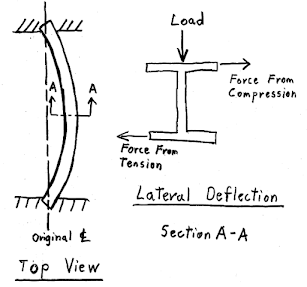
Lateral Torsional Buckling
What happens to a member, when it is subjected to transverse loading? A member subjected to transverse loading will undergo bending and
 Steel design
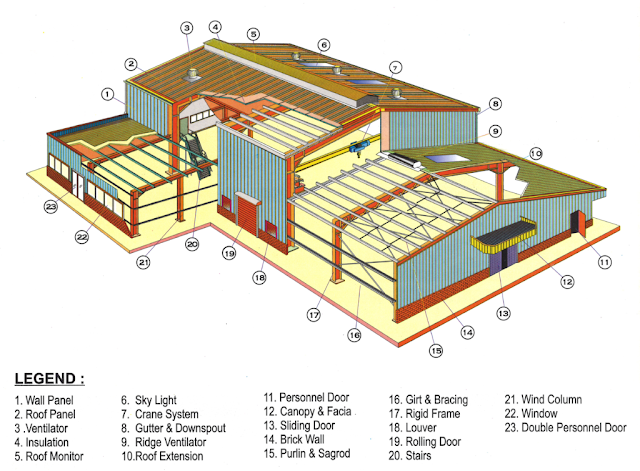
Bracing System – Structural arrangement that ensures stability in Longitudinal Direction
What happens to a building when it is subjected to wind loads? Any building or structures, in general, must ensure stability in
 Loads & codes
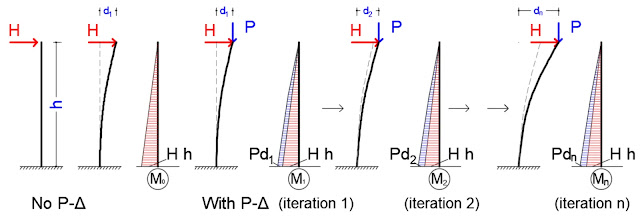
P-Delta Effect on Structures
P-Delta Analysis is a Non-linear second-order analysis which exhibits a considerable increase in the base moment when a structure is subjected to
 Steel design
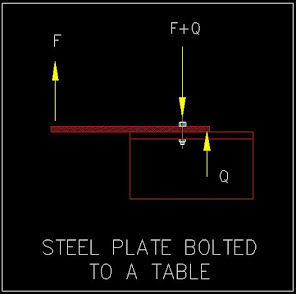
Why “Prying Force” is important?
Our previous post is about structural steel connections, emphasizing its importance and complexity. This post is sort of continuation of the previous
 Steel design
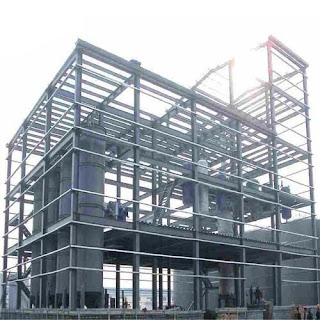
Steel Connections – Most Critical part in any steel structure
What are the structural elements does a steel structure holds? As similar to every other building, the major load-carrying members in a
 Steel design
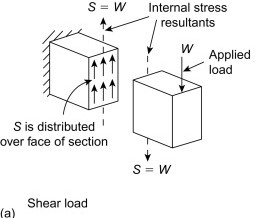
Why web takes all the shear in an I- section?
During the initial stage of one’s career, every design engineer, especially a steel design engineer would have come across this statement “Bending
 Steel design
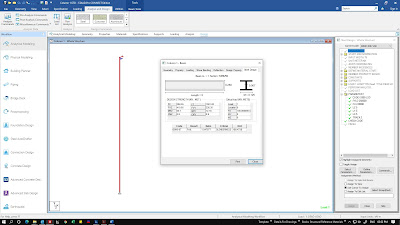
How to apply the effective length of a member in the design process?
What is the importance of employing Lx, Ly & Lz for a member during the design stage? Every structural or civil engineer
 Steel design
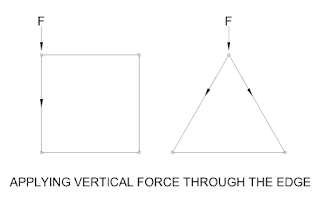
Why the shape “TRIANGLE” is widely used in structural engineering?
Most of the structures that we know comprise of this particular shape “triangle” in any one of its structural systems. What is
 Loads & codes
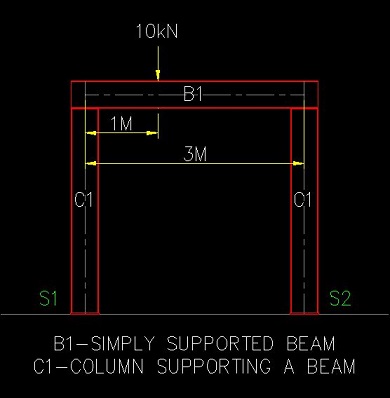
Load Path in Steel Structures – Why it is important?
What happens to the load applied to a structure? Whatever the load which acts on the structure ultimately tries to reach the
How Load Position would affect the members bending capacity – “Bend the RULER”
Why it is easy to bend material in the middle rather than at the ends? In order to understand the concept, one
 Steel design
Why do we calculate STRESS, when we have FORCES?
In the structural analysis classroom of our engineering degree, we are taught how to determine the internal forces (Axial force, Bending Moment
 Steel design
Why Bolt and not Weld? Why Weld and not Bolt?
As a practicing design engineer, during the initial stage of the career, each and every one of us would be subjected to